


The car industry has changed a lot over the last 100 years. It started with mass production and now we have advanced technology. This change is making personal transport better.
Today’s cars are not just for getting from A to B. They are digital platforms with smart systems. This change is making cars do more than ever before.
Electric cars and self-driving tech are leading this change. They offer cleaner, safer, and more efficient travel. This is good for our future.
This change is huge and is changing how we see cars. It’s making our travel better and more efficient.
The Digital Transformation of Automotive Engineering
The car industry has changed a lot, moving from mechanical to digital. This change is not just about new tech—it’s a new way of thinking about cars. An expert says, “Cars are now like smartphones or computers on wheels.”
Evolution from Mechanical to Electronic Control Systems
From mechanical to electronic, the car world has seen a big change. Old mechanical parts and controls are now replaced by electronic control units. These units control everything in a car.
Today’s cars have many computers working together. They manage engine timing, fuel, and even brakes. This makes cars more precise and reliable than ever.
This change has made cars smarter and safer. Sensors and computers work together to adjust things in real time. This makes driving safer and more efficient.
Related Posts:
- How Technology Can Help Solve Climate Change…
- How Technology Benefits Students Enhancing Learning…

- How to Know Technology A Guide to Understanding Tech Trends

- What Is Clean Coal Technology Designed to Do…

- What Is Flow Technology Optimizing Processes and Systems
- Does Technology Have a Negative Effect on Our Lives…

Advanced Computer-Aided Design and Manufacturing Processes
CAD and CAM have changed how cars are made. These tools help design and build cars faster and better. They make the whole process more efficient.
With digital manufacturing, cars are tested virtually first. This saves time and money. It lets engineers make changes before making real prototypes.
Using digital twins, or virtual copies, has improved car development. This lets manufacturers test and perfect their designs before making them real. It’s a big step forward.
Production now uses advanced software integration and automation. This makes making cars more precise and fast. It also cuts down on mistakes.
These digital tools have changed car engineering. Cars are now made with more accuracy and speed. This opens the door for even more innovation in the future.
How has technology changed the car industry
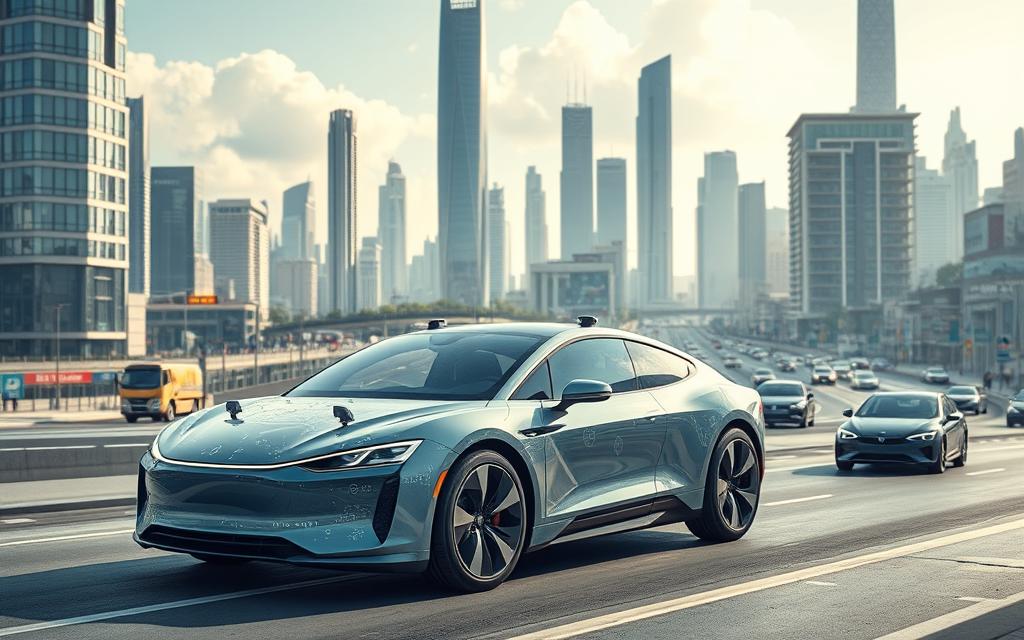
The car world has changed a lot. Cars are now like computers on wheels. They use lots of data to make driving safer and better.
Integration of Microprocessors and Sensor Networks
Today’s cars have many sensors. They use ultrasonic sensors, radar, and cameras to see around them.
These sensors send data to computers in the car. This sensor fusion helps cars do things like park themselves and stay in their lane.
These systems work together to make driving easier. They use many sensors and computers to do this.
| Sensor Type | Detection Range | Primary Function | Limitations |
|---|---|---|---|
| Ultrasonic | 0-8 metres | Close-range obstacle detection | Limited to low speeds |
| Radar | 0-200 metres | Long-range object tracking | Lower resolution imaging |
| Camera | 0-150 metres | Object classification | Weather dependent |
| LiDAR | 0-250 metres | 3D environmental mapping | Higher cost implementation |
Vehicle Connectivity and Internet of Things Integration
5G and IoT have changed how cars connect. Cars now talk to other cars, roads, and the internet. This is thanks to V2X communication.
This network helps cars share important info. It makes traffic safer and better. Cars can warn each other about dangers before they happen.
“As the vehicle fleet becomes increasingly connected—and as cars talk to the infrastructure and to one another—it should become safer.”
Telematics systems are key to this. They help with remote checks, updates, and alerts. This changes how we look after our cars.
Using IoT in cars makes driving safer. Cars can warn us about dangers before we see them. This is a big step forward in car safety.
Connecting cars, roads, and people is becoming common. It makes driving safer and better. The future of driving is here, making our journeys smarter and safer.
The Electric Vehicle Revolution
The car world has changed a lot in the last century. Electric cars are leading this change. They are not just a new way to power cars; they are changing how we think about driving.
Electric cars are now 29.4% of new car sales in big European markets. By 2025, they could be nearly 45% of all new cars.
Tesla’s Disruptive Technological Approach
Tesla Motors changed the car world in big ways. They did things differently than old car makers. They made everything themselves, from batteries to software.
This let them add new features to cars even years after they were sold. It’s like getting updates for your car.
Tesla also built a fast charging network for their cars. This made long trips in electric cars easy and worry-free.
Lithium-Ion Battery Technology Advancements
Batteries are key to electric cars. They have gotten better in many ways. Now, electric cars can go over 300 miles on one charge.
Even though batteries are expensive, they are getting cheaper. This makes electric cars more affordable than gas cars.
“The battery technology and charging infrastructure required for electric vehicles are also evolving at a pace that matches the ambitious targets set by manufacturers and governments alike.”
Traditional Manufacturers Embracing Electrification
Old car makers were slow to go electric. But now, they are racing to catch up. They know electric cars are the future.
This big change is changing the car industry in many ways. It’s affecting how cars are made and sold. Read more about it here.
Nissan Leaf: Mass Market Electric Pioneer
The Nissan Leaf was the first electric car for regular people. It was affordable and had enough range for daily use. It showed that electric cars could be for everyone, not just the rich.
BMW i3 and i8: Luxury Electric Innovation
BMW made electric cars that were fancy and fun. The i3 was light and efficient. The i8 was fast and green.
These cars showed that electric cars could be exciting. They changed how people think about electric cars.
Autonomous Driving System Development
Creating autonomous driving systems is a huge challenge in car engineering. These advanced technologies aim to make cars that can see and move on their own. This big change will change how we travel.
Sensor Fusion: LiDAR, Radar and Camera Systems
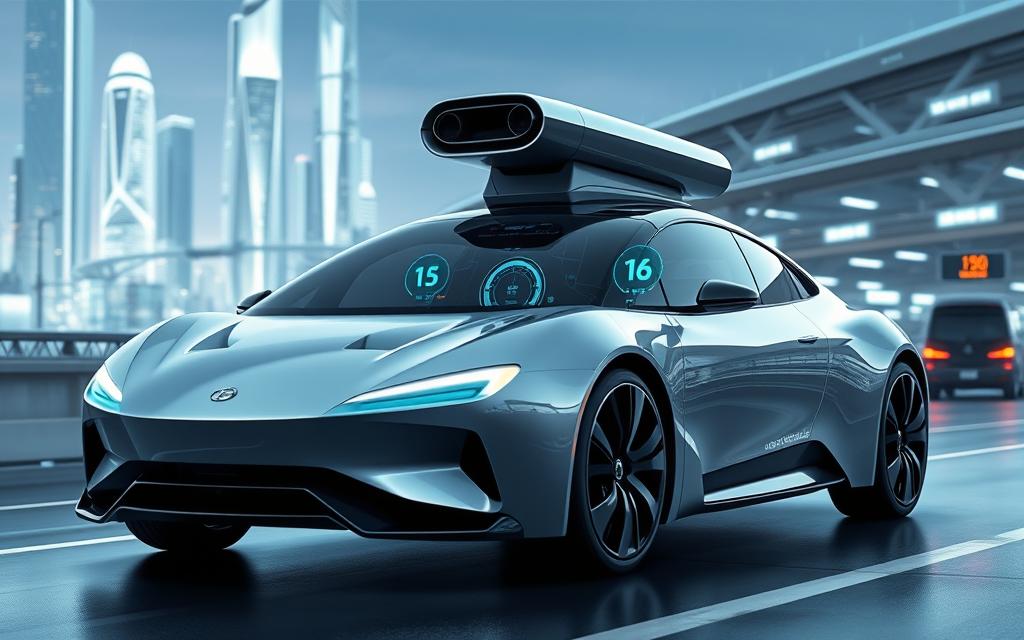
Autonomous cars use sensor fusion to understand their world. This means combining data from LiDAR, Radar, and cameras. Together, they create a detailed picture of what’s around the car.
Self-driving cars use three main sensing technologies:
- LiDAR (Light Detection and Ranging) creates 3D maps with laser pulses
- Radar detects objects and their speed and distance, even in bad weather
- Camera systems help recognize objects and signs
This mix of sensors makes the car reliable. It uses each system’s strengths to cover its weaknesses. The data from these sensors is key for the car’s decisions.
Artificial Intelligence and Machine Learning Applications
Without AI, sensor data is just numbers. Machine learning algorithms turn this data into useful information. They learn from millions of miles of driving data.
These AI systems learn to spot pedestrians, cars, and signs. They get better with time, just like human drivers. This technology is at the heart of self-driving cars.
Neural networks in these cars can handle complex situations fast. They make quick decisions based on what they see. This AI is what turns sensor data into actions.
Waymo’s Autonomous Vehicle Programme
Waymo started as Google’s self-driving car project. It’s now a leader in this field. They have one of the most advanced robotaxi services on public roads.
Waymo’s cars have driven millions of miles in real life. They offer robotaxi services in San Francisco and Metro Phoenix. This means people can travel without a driver.
Waymo uses the latest sensor tech and AI. Their program shows how to use self-driving cars in cities.
Tesla Autopilot: Advanced Driver Assistance Features
Tesla’s Autopilot system is different. It focuses on making driving easier, not fully autonomous. It gets better with more data from Tesla’s cars.
Autopilot uses cameras, ultrasonic sensors, and radar. It offers features like adaptive cruise control and automatic lane changes. Tesla’s big fleet helps improve its technology through machine learning.
Tesla’s approach improves slowly but safely. It adds useful features now while working towards more advanced cars later.
General Motors Super Cruise Technology
General Motors has Super Cruise, a hands-free driver assistance system. It uses cameras and radar with detailed maps of highways.
Super Cruise is a subscription service for certain highways. It uses real-time data and maps for safe, hands-free driving. This system is a careful step towards automation.
Super Cruise is a safe choice for adding automation. It works within limits to ensure safety. This shows how car makers are adding autonomous features carefully.
The journey to fully self-driving cars takes many paths. Each has its own strengths and ways of working. These systems are changing what cars can do without humans.
Industry-Wide Impacts and Challenges
The automotive world is changing fast, affecting global supply chains and rules. These changes bring both chances and big challenges for makers and governments.
Supply Chain and Manufacturing Paradigm Shifts
The car industry is changing how it works. Old supply networks are being rebuilt for new tech and world politics.
Electric car batteries are very expensive, making up 40% of the car’s cost. Makers are making batteries closer to home to control costs and avoid supply chain problems. This manufacturing localisation helps with costs and keeps supplies steady.
The pandemic showed how weak global supply chains can be. Car companies are now focusing on getting stable supplies of key minerals like lithium and cobalt. They’re teaming up with mining firms or investing in mining themselves.
This big change in the automotive supply chain is a major shift. Companies are weighing cost against keeping supplies safe, often picking local suppliers over cheap ones far away.
Regulatory Frameworks and Safety Considerations
World governments are quickly making new rules for new car tech. They’re updating laws for electric and self-driving cars fast.
For electric cars, EV regulations cover many areas like tax breaks and charging rules. Countries have different ways to encourage electric cars while keeping the grid safe. Readers exploring changed car industry often end up considering understanding tech trends as part of the same topic. They're figuring out charging standards, battery disposal, and how to price electricity.
Self-driving cars bring even more complex rules. The European Union’s General Safety Regulation (GSR) is a big step towards safety standards. But, self-driving tech raises big questions about who’s to blame in accidents, ethics, and how to test them.
Creating autonomous vehicle safety rules needs work from makers, regulators, and safety groups. They must test these cars in new ways, beyond just crash tests. This is because AI makes big decisions in self-driving cars.
Insurance and who’s at fault in accidents are big issues. With self-driving cars, figuring out who’s to blame is harder than with human drivers. These problems slow down the use of self-driving cars, even with fast tech progress.
Conclusion
The car industry has seen big changes in recent years. It has moved from being all about mechanics to being all about digital tech. This change is thanks to microprocessors, better connectivity, and new ways of making cars.
Now, we’re seeing cars that run on electricity and drive themselves. Tesla and Waymo are leading the way with their electric cars and self-driving tech. These changes are making our cars smarter and more connected.
Even though there are challenges like rules and supply chains, the future of cars looks bright. Cars will be electric, connected, and maybe even drive themselves. This will make our roads safer and cleaner.