

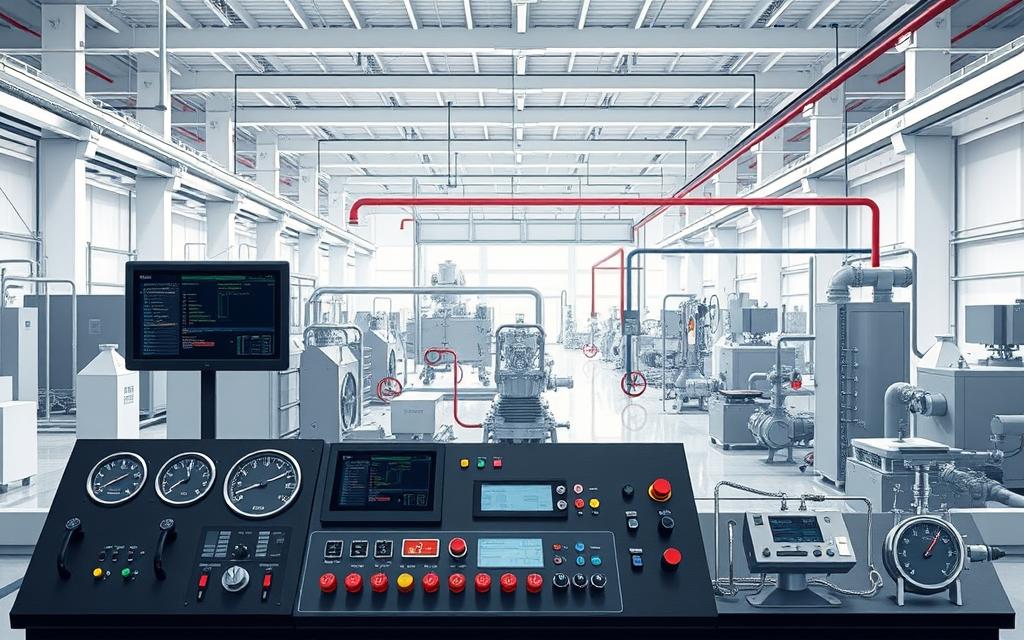
In today’s fast-paced business world, companies are always looking for ways to get better. Flow technology is a key strategy for making processes smoother from start to end.
This method aims to cut down on waste and speed up work in many areas. It applies to moving materials, sharing information, and managing workflows. The main idea is the same everywhere.
It’s all about meeting real needs, not just making guesses. Flow technology boosts value by always looking for ways to improve and analysing things carefully.
It helps manufacturing, service sectors, and logistics to work better. When used right, it makes systems more efficient and boosts productivity a lot.
Learning about flow technology is the first step to seeing how it works in real life. The next parts will look at how to use it and share success stories.
Exploring the Concept of Flow in Modern Systems
Flow is key to making systems better today. It’s not just about moving things around. It’s about making everything work smoothly together.
The Essence of Flow in Operational Efficiency
Flow means things move smoothly through systems. It aims to remove any hiccups and make things more valuable.
When things flow well, work moves smoothly from start to finish. This needs careful planning at every step.
Related Posts:
- What Is Clean Coal Technology Designed to Do…

- How Technology Benefits Students Enhancing Learning…

- How to Know Technology A Guide to Understanding Tech Trends

- Does Technology Have a Negative Effect on Our Lives…

- How Technology Changed the Car Industry From EVs to…

- What Is Quantum Computing Technology The Future of…

- Continuity: Things move without stops or delays
- Pull-based execution: Production meets demand directly
- Bottleneck minimisation: Finding and fixing problems
- Waste reduction: Cutting out things that don’t add value
These traits help make operations quick and adaptable to changes.
Historical Evolution of Flow-Based Approaches
Flow thinking has grown over years. Early systems used big batches and lots of stock.
Japanese companies led the way with the Toyota Production System (TPS). It brought in just-in-time (JIT) methods that changed how things were made worldwide.
John Costanza took these ideas further by starting the John Costanza Institute of Technology in 1984. He developed Demand Flow Technology (DFT) for Western businesses.
| Time Period | Development | Key Contribution | Impact on Flow Thinking |
|---|---|---|---|
| 1950s-1960s | Toyota Production System | Just-in-Time manufacturing | Introduced pull-based production systems |
| 1970s-1980s | Lean Manufacturing | Waste elimination focus | Expanded flow principles beyond automotive industry |
| 1984 onwards | Demand Flow Technology | Mathematical modelling of flow | Created measurable, predictable flow systems |
| 1990s-present | Digital integration | Real-time flow monitoring | Enabled continuous improvement through data analytics |
This history shows how flow ideas have improved operations over time. Each step built on the last, tackling new challenges.
Today’s flow technology combines old ideas with new tech. It aims to make systems work better than ever.
What Is Flow Technology: Core Definition and Scope
Flow technology changes how businesses manage operations. It moves from old forecast methods to new, customer-focused systems. This approach makes processes smooth, responding to real demand, not just guesses.
The top form of this is demand flow technology (DFT). It uses math to link all parts of the operation. This ensures everything works together well, cutting out waste and bottlenecks.
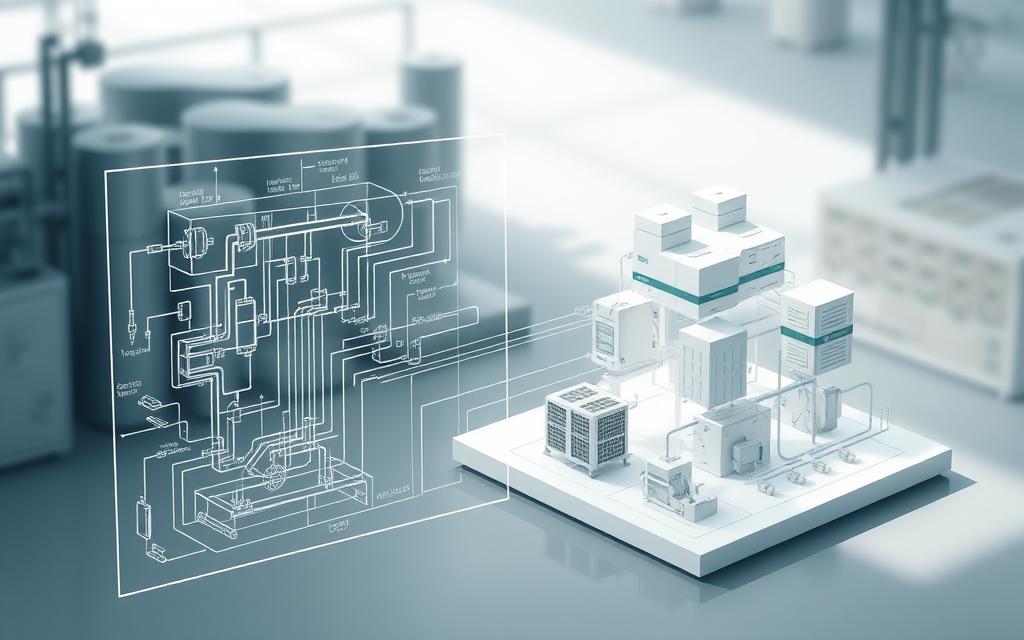
Essential Elements of Flow Technology Systems
Flow technology needs two key parts to work well. These parts are the heart of any material flow systems setup. They make sure both digital and physical parts match demand.
Software and physical actions work together. This mix boosts a company’s ability to be quick and efficient.
Software Solutions for Flow Management
Modern software is key for flow technology. It gives the tools needed for operations that follow demand.
Tools like AnyLogic help plan and improve material flow systems. Manufacturing Execution Systems (MES) keep things running smoothly in real-time. This leads to better processes.
These tools create a digital version of operations. This makes planning and adjusting to demand easier.
Physical Infrastructure Requirements
The physical side of DFT uses advanced tech to carry out plans. These technologies make material handling flexible and quick.
AGVs move things around smartly. AS/RS systems store and get items quickly. Cobots help people work better. Conveyor systems and more make the setup work smoothly.
| Technology Type | Primary Function | Key Benefits | Implementation Complexity |
|---|---|---|---|
| AGVs (Automated Guided Vehicles) | Flexible material transportation | Route adaptability, reduced labour | Medium |
| AS/RS (Automated Storage/Retrieval) | High-density storage management | Space optimisation, accuracy | High |
| Cobots (Collaborative Robots) | Human-machine collaboration | Safety, flexibility, productivity | Low-Medium |
| Conveyor Systems | Continuous material movement | Reliability, throughput | Medium |
These physical technologies form a strong base for demand flow technology. Each part has a role in moving materials well.
When these parts work together, businesses can really respond to demand. This is a big step up from old methods, making them more efficient and responsive.
Key Principles for Optimising Processes with Flow Technology
Flow technology needs key principles to work well. These principles change how we work, making things move smoothly and cutting out waste.
Continuous Flow Methodologies
Continuous flow is a big change from old ways of working. It means moving things one at a time, not in big batches. This cuts down on waiting and keeps inventory low.
To make continuous flow work, we link steps together and balance workloads. We look closely at how long things take and how much we can do. This makes sure things keep moving without a hitch.
To really get it right, we remove barriers and make special paths for flow. This is true for making things and for services too.
Lean Principles Application
Flow technology uses lean ideas to make things better. The five main lean principles help make flow work well.
Value stream mapping shows us what’s needed to get products or services to customers. It helps us spot things that don’t add value and can be made better or cut out.
Pull production systems are a key lean idea. They mean we only make things when we really need them. This stops us making too much and saves money on stock.
We use Kanban systems to manage flow. They help us keep the right amount of materials and production going without too much stock.
Agile Adaptations for System Efficiency
Flow technology today also uses agile ideas. This helps us deal with changing demands. We can adapt quickly without losing efficiency.
Takt time is key for setting the right pace. It tells us how fast we should work to meet customer needs. This keeps our systems running smoothly.
We use rhythm wheels and pitch to keep things in sync. These tools help us keep flow steady, even when demand or resources change.
Working together and daily meetings help us stay agile. These help us solve problems fast and keep improving based on what we learn.
Industrial Applications of Flow Technology
Flow technology is used in many areas to make things better. It helps in making things faster and more efficient. This is true for making goods and for services too.
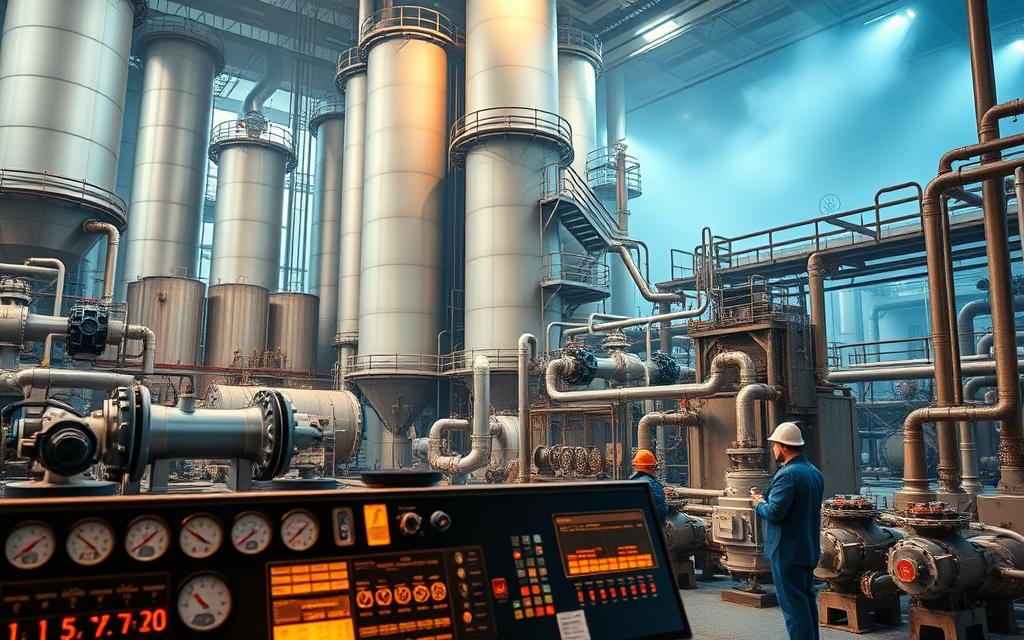
Manufacturing Sector Implementations
Flow technology is most used in making things. Companies use it to change how they make and move materials.
Automotive Production Line Optimisations
Car makers are big users of flow technology. John Deere is an example. They make sure materials get to painting stations on time.
This intralogistics improvement means they don’t have to keep a lot of parts in stock. It saves money and keeps production going smoothly. The way they plan their factory helps move materials well from start to finish.
Electronics Assembly Process Improvements
Companies like Flextronics use flow technology to make electronics better. They focus on getting parts ready and putting them in the right place. This makes things go faster and fewer mistakes happen.
American Standard shows how using flow technology can make things more efficient. They use systems to move materials around better. This saves space and makes things move faster.
Service Industry Utilisations
Flow technology is also used in services, not just making things. It helps make things better for people and processes.
Healthcare Process Streamlining
Hospitals use flow technology to make patient care better. They make sure patients move through the system smoothly. This means patients wait less and doctors can focus on them more.
These systems help doctors do their jobs better. They make sure patients get the care they need without delays.
Financial Services Workflow Enhancements
Flow technology helps banks and insurance companies too. They use it to make things like loans and claims easier. This makes things faster and more accurate.
These systems make sure things get done quickly. They help keep everything in order and make customers happier.
“The principles of material flow apply equally effectively to information and service processes, creating efficiency gains across all organisational functions.”
Financial services see big improvements. They make fewer mistakes and customers are happier. It’s like making things better in a factory, but for information and services.
Advantages of Flow Technology in System Optimisation
Organisations that use flow technology see big changes. These changes help them work better and save money. They also get ahead of their competitors.
Operational Efficiency Benefits
Flow technology changes how things move in systems. It makes operations quicker and smoother. It also cuts down on delays.
Resource Allocation Optimisations
Companies use resources better with flow technology. They plan where to use people, machines, and space better. This is based on data.
Factories see 20-30% more use of their equipment. Service companies also see big gains in how well staff and space are used.
Time Efficiency Gains
Flow-optimised systems move things faster. Products get to customers quicker. Services reach people sooner too.
This means happier customers. They get answers faster and services are better.
Economic Improvements
Flow technology brings big financial wins. It saves money right away and builds value over time.
Cost Reduction Opportunities
Flow optimisation saves money in many ways. It cuts down on inventory costs and waste. It also makes labour and shipping cheaper.
Investment Return Opportunity
The ROI from flow technology is often higher than expected. Companies like American Standard and John Deere saw returns over 200% in the first year.
Working capital reduction is a big plus. It frees up money for growth, new projects, or paying off debt.
These financial wins, along with better process efficiency, give companies a strong edge. Flow technology is a smart investment for lasting success.
Implementation Challenges and Strategic Considerations
Flow technology brings many benefits, but it comes with its own set of challenges. To succeed, organisations need to plan carefully and use strategic approaches.
Adoption Barriers
Several barriers can stop flow technology from being adopted. Knowing these obstacles is key to finding solutions.
Technical Integration Complexities
Integrating flow technology with existing systems is a big challenge. Many struggle to make flow work with their ERP systems.
Most ERP systems use push logic, which clashes with flow’s demand-pull approach. This clash leads to:
- Data issues between systems
- Reporting problems and visibility gaps
- Waste in resource use
The ERP integration process needs a lot of technical skill and customisation. Companies often have to create new solutions or change their systems a lot.

Adding automation is also hard. Choosing the right software and making sure it works with both new and old systems is a big task.
Organisational Change Management
Success goes beyond just the tech. Changing how the organisation works is harder than the tech itself.
Flow technology needs a big change in how people think. This change requires:
- Leadership support
- Training for everyone
- Clear messages about the benefits
Good change management tackles the natural resistance to new ways. People find it hard to follow detailed processes and document them well.
Keeping accurate records of what happens is key but hard. Companies need to set up clear rules and who is responsible to keep things consistent.
Creating a strong implementation strategy that covers both tech and people is vital. Many succeed by starting small and learning as they go.
For help, check out our guide on implementing continuous flow processes for useful tips and strategies.
In the end, success depends on balancing tech integration with organisational change. Companies that do both well are set for lasting success with flow technology.
Conclusion
Flow technology is a key strategy for achieving operational excellence. It boosts efficiency, cuts waste, and improves quality across various sectors. The path to optimisation is ongoing, needing constant monitoring and betterment.
Adopting a continuous flow approach helps businesses stay ahead in fast-changing markets. It supports the future of manufacturing by making operations more responsive to customers. Companies that focus on these methods gain big economic and operational advantages.
Technologies like Flow-Tech show how new solutions can keep systems running well without chemicals. These advancements mark the changing world of process optimisation. They help in long-term sustainability and saving costs.
The journey to operational excellence requires a dedication to ongoing improvement. Flow technology is the base for this journey, creating efficient and flexible organisations.
FAQ
What is flow technology?
Flow technology is a way to design and manage processes. It makes sure things move smoothly and efficiently from start to finish. It aims to cut waste, reduce delays, and increase value in many areas.
How did flow technology evolve historically?
It started with just-in-time (JIT) ideas and the Toyota Production System (TPS) in Japan. Then, it was adopted in the West, with Demand Flow Technology (DFT) being a key example. This shows a constant drive for better operations.
What are the essential elements of flow technology systems?
Flow technology systems have two main parts. First, there’s software like AnyLogic for planning and control. Second, there’s the physical setup, including AGVs, AS/RS, cobots, and conveyor systems. Together, they create a demand-pull environment.
What principles underpin flow technology implementation?
Key principles include continuous flow and Lean ideas. These include avoiding batch work, defining value, and using agile methods. Tools like Takt time and Kanban help keep things efficient.
In which industries is flow technology commonly applied?
It’s used in manufacturing, like in car plants and electronics. It’s also in service areas, such as healthcare and finance. For example, it helps streamline patient care and loan processing.
What are the main advantages of implementing flow technology?
Benefits include better use of resources, faster production, lower costs, and less inventory. Companies like American Standard and John Deere have seen these gains.
What challenges are associated with adopting flow technology?
Challenges include technical issues and changing how the organisation works. It needs a shift to demand-pull, clear processes, and training to overcome resistance.
How does flow technology differ from traditional forecast-driven systems?
Flow technology is based on demand, not forecasts. It reduces waste, cuts inventory, and boosts responsiveness. This makes processes more efficient and in line with real demand.
Can flow technology be applied to service-based industries?
Yes, it’s great for service industries. It can make information and workflow processes better. For example, it can improve patient care in healthcare or claims processing in finance.
What role does software play in flow technology systems?
Software is key for planning, simulation, and real-time management. Tools like AnyLogic and Manufacturing Execution Systems help design, monitor, and improve flow-based processes. They ensure efficiency and responsiveness.